Jun. 24, 2026
The evolution of outdoor capacitive touchscreens is essentially a process of Projected Capacitive (PCAP) technology continuously overcoming
environmental limitations. Early outdoor touchscreens were primarily resistive, relying on pressure sensing; they offered only 85–88% light
transmission, supported only single-point touch, and had a lifespan of approximately 1 million touches. Since the 2010s, PCAP technology
has gradually superseded resistive screens to become the preferred choice for outdoor interaction, thanks to advantages such as superior
touch precision, support for 10+ touch points, and a lifespan exceeding 10 million touches.
Three Major Challenges and Technological Breakthroughs in Outdoor Environments
Sunlight readability is the primary challenge. Modern solutions utilize high-brightness displays exceeding 1,000 nits (with high-end models reaching
1,500–2,000 nits). Combined with optical full-lamination processes that eliminate air gaps, reflectivity is reduced by over 60%, ensuring clear visibility
even in direct sunlight. Additionally, anti-glare (AG) and anti-reflective (AR) coatings are employed to minimize interference from ambient light.
Regarding water and dust resistance, an IP65 rating has become the baseline requirement for outdoor use, with high-end products achieving IP67.
Flush-surface designs and sealed structures effectively prevent the ingress of rain and dust.
In terms of operating temperature, modern products support a range of -20°C to 60°C. Through the use of high-temperature resistant materials and
designs adapted for low temperatures, they maintain stable responsiveness in both extreme cold and scorching heat.
Current Technological Status
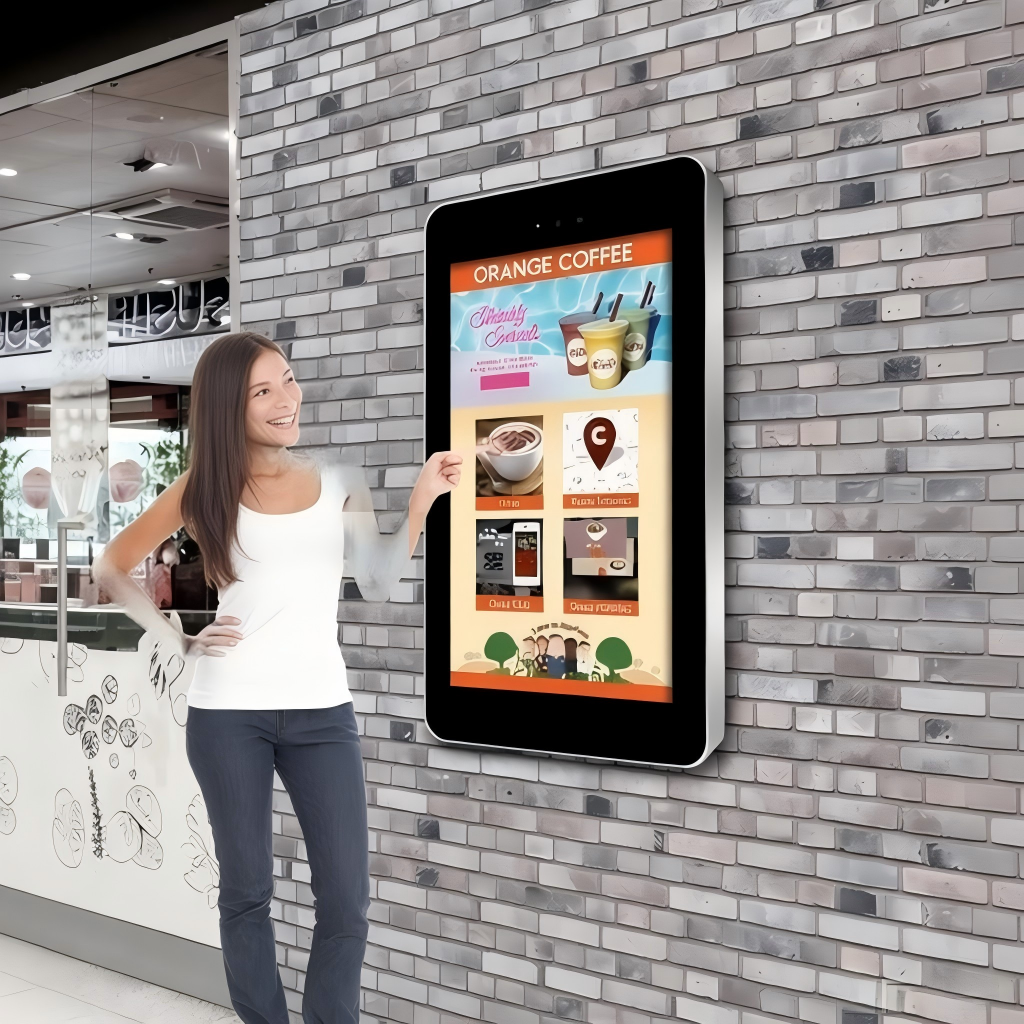
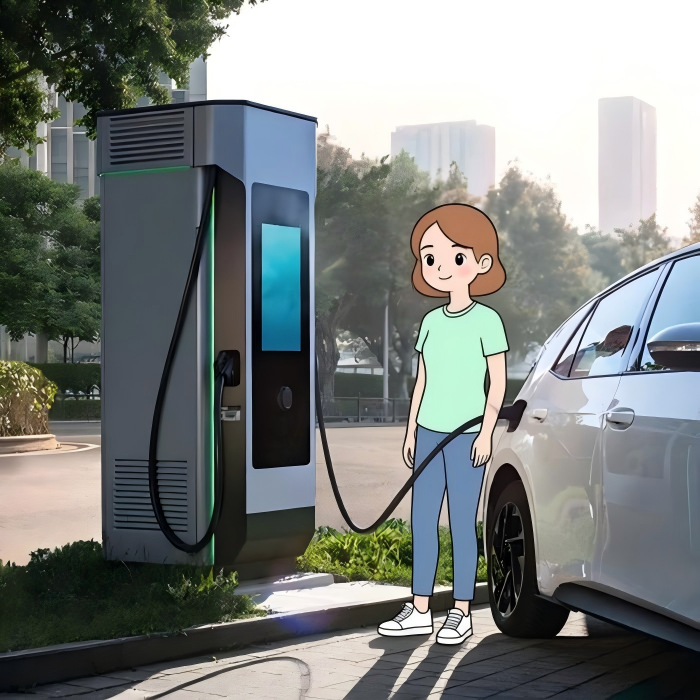
By 2025, PCAP technology has become standard for outdoor kiosks, EV charging stations, and industrial HMIs. The global projected capacitive
touchscreen market reached $14.29 billion in 2024 and is projected to hit $19.11 billion by 2031; specifically, the market for EV charging station
touchscreens is valued at approximately $500 million in 2025, with a compound annual growth rate (CAGR) of 15%.
Future Trends
Material and Process Innovation: Novel conductive materials—such as graphene and silver nanowires—are gradually replacing traditional ITO;
self-healing materials can automatically fill in cracks or scratches on the screen surface.
AI and Intelligence: AI technology enables screens to recognize touch trajectories and anticipate user intent; multimodal interaction integrates touch,
voice, and eye-tracking capabilities. Evolution of Form Factors and Applications: Flexible and foldable capacitive screens are continuously emerging;
the smart city kiosk market reached $31.5 billion in 2024 and is projected to hit $52.8 billion by 2033.
Outdoor capacitive touchscreens are evolving beyond basic touch functionality toward all-weather capability, intelligence, and diverse form factors.
+0086 755 21042870
+0086 755 2822 5493
Shenzhen Company: 5/F, Building 211, Tairan Science Park, Tairan 4th Road, Shatou Street, Futian District, Shenzhen(518040), China.
Dongguan Factory: 2/F, Building D, Fulin Industrial Park, Weixi Road, Dalingshan Town, Dongguan City(523831), Guangdong,China
NAVIGATION
REQUEST A QUOTE