Apr. 01, 2026
Electronic menu displays are quietly transforming the restaurant industry's operational model and customer experience. It's far more than just digitizing
paper menus; it's a smart hub connecting kitchen efficiency with the front-of-house experience.
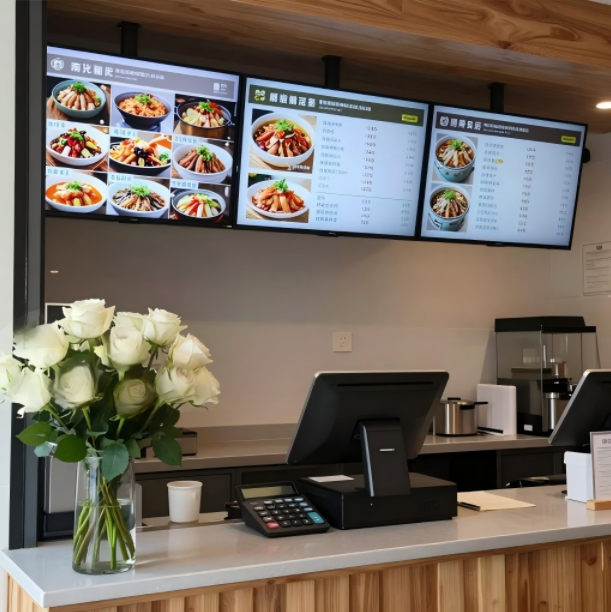
For operations, this represents a leap in efficiency. Traditional menu updates are limited by printing costs and timelines, while electronic screens allow
managers to adjust prices, add new items, or remove sold-out dishes in real time, avoiding the awkward situation of being told an item is unavailable
when taking an order. In the kitchen, order information goes directly to the kitchen's dedicated screen, reducing verbal communication between waiters
and the circulation of paper documents, effectively lowering error rates. During peak hours, every minute saved translates directly into increased table
turnover.
For customers, this represents an upgraded experience. Static text descriptions are replaced by high-definition dynamic videos, visually presenting the
color, portion size, and even the "wok hei" (wok aroma) of dishes—a form of silent marketing in itself. Clear category navigation, spiciness indicators,
allergy warnings, and intuitive total price displays make the ordering process more autonomous and transparent. Customers no longer need to wave
to waiters to order more food or pay the bill; the self-service functions on the screen give them more control over their dining experience.
For businesses, this is an entry point for marketing and data. The electronic screen is the closest advertising space to customers. Businesses can push
afternoon tea offers during off-peak hours, showcase the cooking stories of signature dishes while customers wait, or encourage membership registration
at checkout. More importantly, the system's backend can accumulate order data, helping operators analyze which dishes are the most popular and
profitable, and which have low click-through rates and need optimization, providing precise data for menu restructuring.
From a trend perspective, this is the starting point for smart catering. With technological integration, today's electronic menus are beginning to integrate
QR code ordering, kitchen KDS (kitchen display system), and membership management systems. In the future, it will become the restaurant's "digital hub,"
achieving intelligent management of "automatic removal of ingredients when they run out" through linkage with inventory systems.
In conclusion, the implementation of electronic menu displays needs to be combined with the restaurant's positioning, average order value, and customer
flow design. For fast food or casual dining, it focuses on improving ordering efficiency and average order value; for formal dining or banquets, it emphasizes
presenting brand quality and optimizing service processes. Its core value lies in freeing waiters' hands from repetitive labor and allowing them to return to
warmer, more emotional interaction—which is the essence of catering service.
+0086 755 21042870
+0086 755 2822 5493
Shenzhen Company: 5/F, Building 211, Tairan Science Park, Tairan 4th Road, Shatou Street, Futian District, Shenzhen(518040), China.
Dongguan Factory: 2/F, Building D, Fulin Industrial Park, Weixi Road, Dalingshan Town, Dongguan City(523831), Guangdong,China
NAVIGATION
REQUEST A QUOTE